

In short
As AI agents take over routine buying, the store becomes a venue for discovery and experiences, and agents will start sending customers to it.
- AI platforms are projected to drive $20.9 billion in retail spending this year.
- Product, stock and store data must be readable by agents.
- Get ready for customers who arrive with intent an agent has already captured.
AI platforms are projected to drive $20.9 billion in retail spending this year, nearly four times last year’s figure. Behind that number is a simple shift: people are starting to hand routine purchases to AI assistants.
The plumbing is arriving fast. Open protocols now let agents discover products, compare them and check out with merchants directly. The Universal Commerce Protocol, launched by Google and Shopify in January, is the most visible. OpenAI and Stripe have their own Agentic Commerce Protocol. Underneath both, MCP gives agents a standard way to use a retailer’s tools and data.
What agents are good at
Agents are brilliant at the boring stuff. Restock the nappies. Find the cheapest version of this. Reorder what I had last month. Anything where the decision is mostly price, availability and speed.
For retailers, that’s a warning. If your product data isn’t structured for agents to read, you won’t be considered. And if your only edge is convenience, an agent will find someone more convenient.
What agents can’t do
Agents can’t let you try the jacket on. They can’t give you the smell of the coffee, the advice of someone who knows the product, or the feeling of being somewhere with people who care about the same things you do.
Agents will take the chores. Stores get to keep the experiences.
As routine buying moves to agents, the store’s job changes. It becomes less of a warehouse with a till and more of a venue: a place for discovery, community, service and experiences people actually choose to turn up for.
The store and the agent will meet
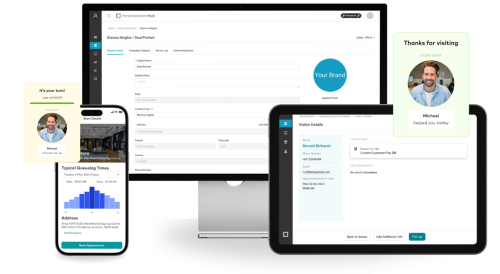
It isn’t either/or. Agents will book appointments, reserve stock for collection and send people to a store when the store is the better option. Customers will arrive already known, with an intent the agent captured. Retailers who are ready for that, with the right offer on the right screen when that person walks in, will turn agent traffic into loyalty.