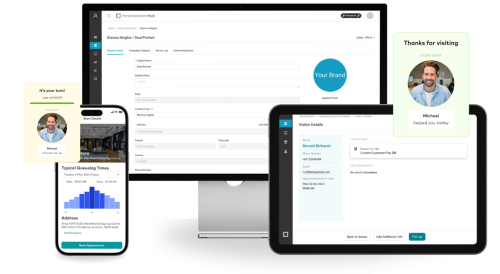
Real-time personalisation doesn’t stop at the website
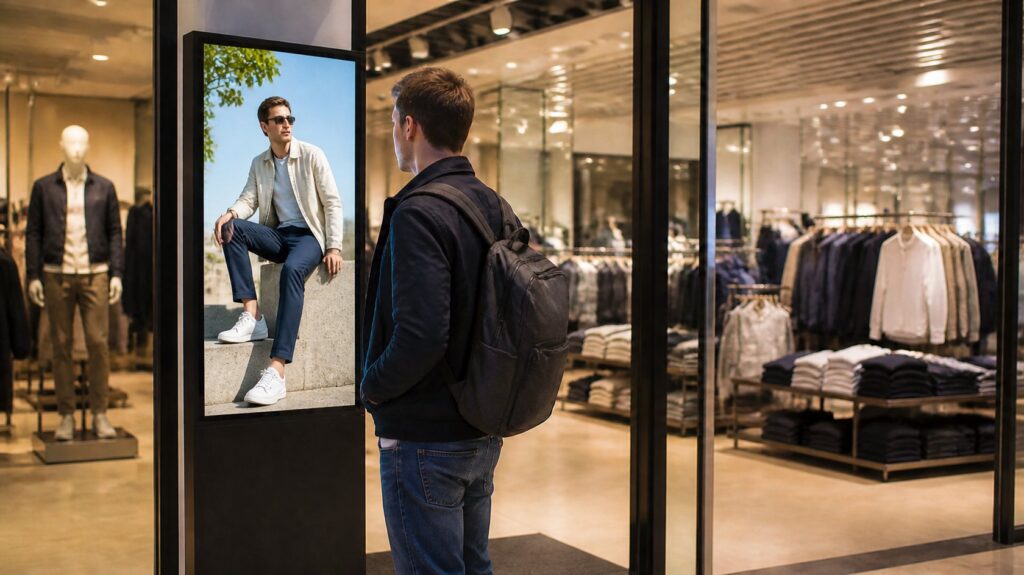
Most of what’s written about real-time personalisation is about homepages and apps. The biggest gap is the one place most sales still happen: the store.
In-store retail media explained: why the store is becoming the new TV
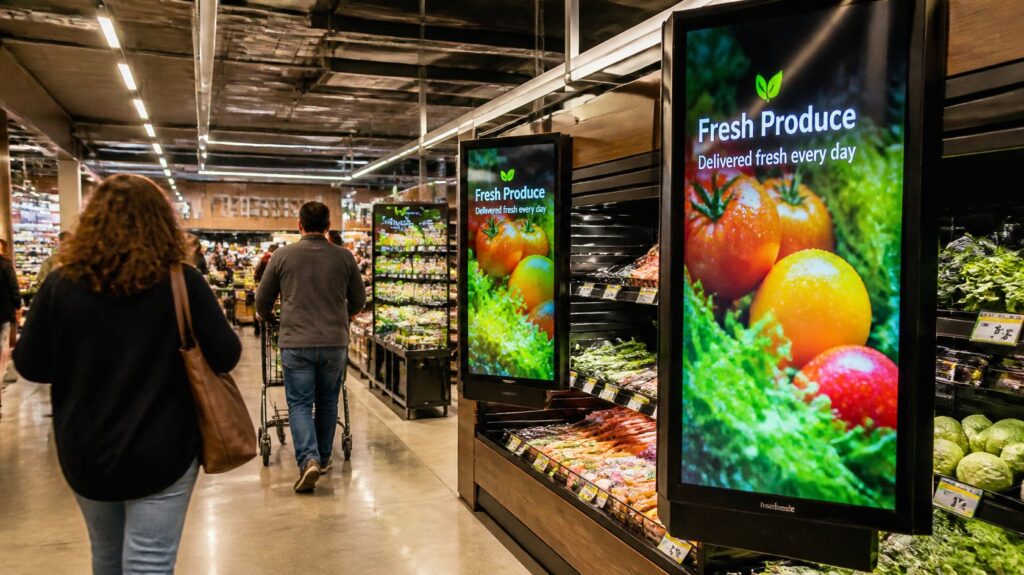
Retail media is heading past $200 billion globally. The next wave of that growth won’t be online. It’ll be on the screens inside stores.
Your screens are a month out of date: digital signage after the playlist
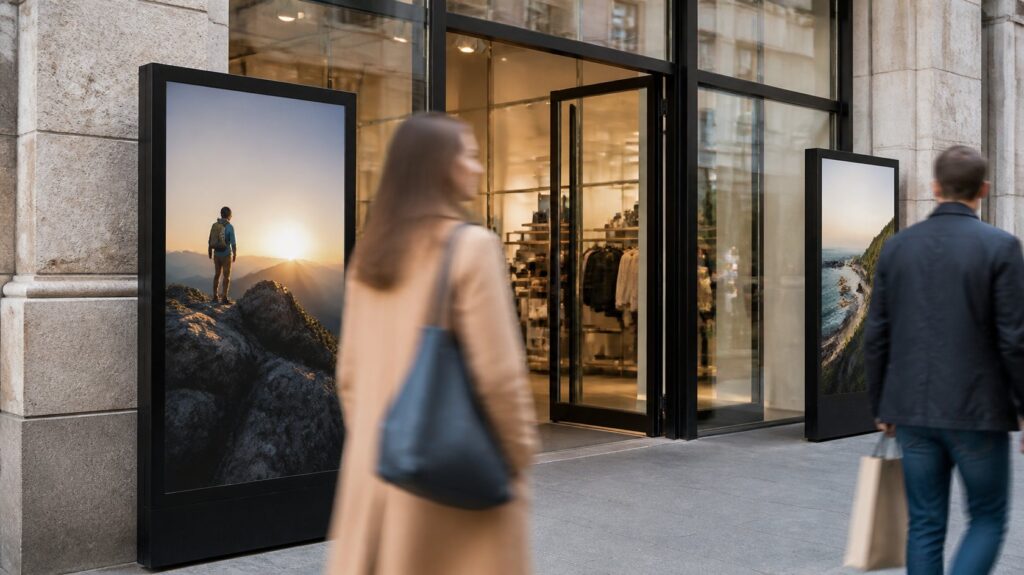
The typical retail screen is running content that’s more than three weeks old. Set-and-forget playlists had their moment. Here’s what replaces them.
AI personalisation in retail, beyond the trend lists
Every 2026 trends article says AI personalisation is now a baseline expectation. Few explain what actually changes for the people running it.
When agents do the shopping, what is the store for?

AI agents are starting to buy on our behalf. That should worry anyone selling routine products online, and excite anyone running a great physical store.
Own it or outsource it? Choosing an in-store media model
Plenty of retailers have handed their screens to a media partner. A high-profile shutdown this year raises a fair question: who should own your in-store network?
Measuring in-store retail media: closing the attribution gap
Online retail media won budgets because it could prove sales. In-store media will only scale when it can do the same.
Experiential retail you can measure

Brand zones, events and interactive displays draw crowds. The hard part has always been showing what they’re worth. That’s starting to change.
Localisation: defining your geo-targeting strategy
Successful retailers make sure every campaign is targeted and relevant locally. Here’s how to define your store segments, with a prompt to get started.
Beyond the algorithm: retail’s human future

Agentic AI will take over routine shopping. That frees physical stores to become the place where brands build real connection.