Successful bricks & mortar retailers, ensure that their campaigns are targeted and appeal to a local audience.
What is Campaign Localisation?
At an international level, localisation focuses on translations and adapting campaigns for different markets.
At a national level, the focus is around targeting campaigns based on local factors, ranging from demographics, store locations, store formats, serviceability, stock-levels all the way through to adapting campaigns in real-time based on local events/weather/data.
Old World vs New World
In the past, retailers would spend millions $$$ with the big 4 consultancies to help them define their campaign localisation strategy. These consultancies would hand them a 100-slide powerpoint deck containing the strategy and offer to implement the strategy for a further $$$$$$.
These consultants would then integrate a multitude of platforms/systems to get basic localisation working. As soon as one of these platform vendors required an upgrade, these consultant would need to be re-engaged to get everything working again.
Luckily, the world has moved on from this legacy and very costly approach. Your internal Agents/LLMs are now able to create advanced localisation strategies within a few seconds [I’ve provided a prompt below to help you get started].
Model Context Protocol (+ some of the other latest standards), ensure that new world platform’s can seamlessly work together (something legacy platform vendors will be slow to adopt as they prefer full vendor lock-in).
Focus of this series of Localisation articles
At a high level, the objective of most campaigns are [1] raise awareness [2] increase (foot) traffic [3] secure a transaction (increase revenue) [4] drive ongoing loyalty.
We’ll assume that you are at the beginning of your localisation journey and our initial focus will be at a national level focused on points [1] & [2].
Defining your Store Segments
Let’s start with Store Segments, these allow retailers to get as granular as they like to support campaign localisation at a store/location level.
Fixed store segments > are only visible to and controlled by Headquarter staff. These are used to support the primary campaign localisation strategy, which does not change very frequently.
Variable store segments > are visible to retail staff, these can be controlled by Headquarters as well as by local store managers. These are typically used to support more dynamic, constantly changing campaign localisation, which vary greatly from brand to brand.
Getting started
Copy & paste the below prompt into your preferred LLM/Agent. Replace the ${BrandName} token with your own brand and update the prompt based on your own individual circumstances:
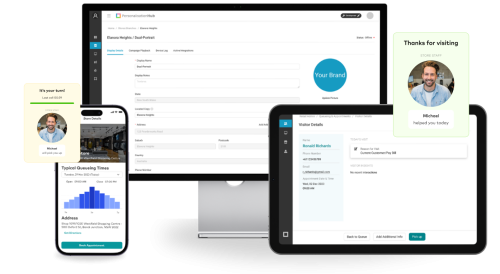
Click here for help in setting up store segments in the platform.